When CJD Doesn't Look Like CJD: The Diagnostic Challenge of Atypical Presentations in Newark Patients
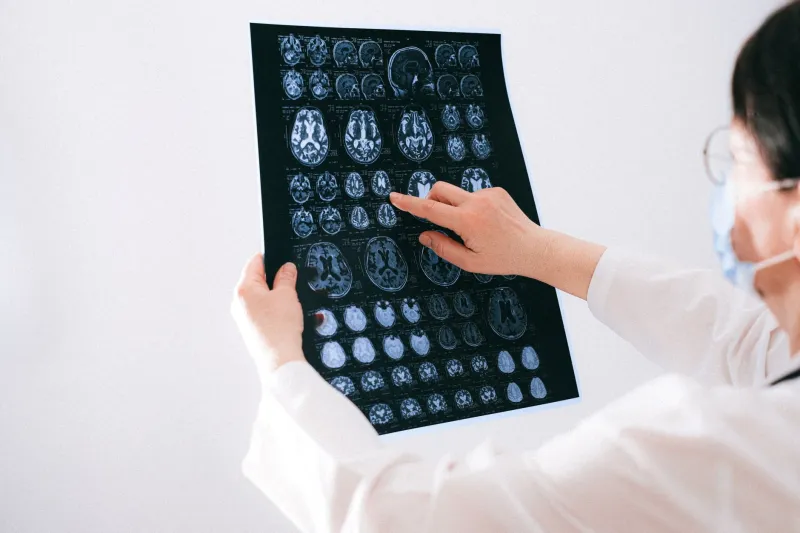
For most people, a serious neurological diagnosis begins with a moment of recognition — a symptom that matches a known pattern, a test result that confirms a suspicion. But for a significant number of patients ultimately diagnosed with Creutzfeldt-Jakob disease, that moment of recognition comes far too late. Their symptoms don't follow the expected course. Their early test results point elsewhere. And the clinicians caring for them — often highly experienced neurologists — find themselves navigating a diagnostic landscape that resists easy mapping.
At the Newark CJD Center, we see firsthand how atypical CJD presentations complicate and delay diagnosis. This article is intended to help patients, family members, and community healthcare providers understand why these unusual cases are so difficult to identify — and what steps can be taken when the clinical picture doesn't quite add up.
The Spectrum of CJD: More Than One Disease
Creutzfeldt-Jakob disease is not a single, uniform condition. It exists across a spectrum that includes sporadic CJD, the most common form; familial or genetic CJD, which is inherited; iatrogenic CJD, caused by accidental transmission through medical procedures; and variant CJD, which is linked to exposure to bovine spongiform encephalopathy, commonly known as mad cow disease.
Each of these subtypes can present differently. Sporadic CJD, which accounts for roughly 85 percent of all cases, typically progresses with rapid cognitive decline, involuntary muscle jerking known as myoclonus, and visual disturbances — often over the course of weeks to a few months. Variant CJD, by contrast, tends to affect younger individuals and frequently begins with psychiatric symptoms rather than obvious neurological ones. Patients may experience depression, anxiety, behavioral changes, or sensory disturbances for months before any cognitive decline becomes apparent.
This divergence in early symptomatology is precisely what makes variant and atypical CJD so difficult to catch.
Mimicking the More Familiar: When CJD Looks Like Something Else
Neurologists practicing in the Newark region have noted with increasing frequency that patients referred for possible CJD evaluation have already received one or more alternative diagnoses. The conditions most commonly confused with atypical CJD presentations include Alzheimer's disease, Lewy body dementia, Parkinson's disease with dementia, and frontotemporal dementia. In cases where psychiatric features dominate, patients may initially be evaluated for late-onset schizophrenia, bipolar disorder, or severe depressive episodes.
One Newark-based neurologist, speaking with our editorial team, described the challenge plainly: "When a patient comes in with memory problems and some personality changes, your first instinct is not CJD. You're thinking Alzheimer's, you're thinking vascular dementia. CJD doesn't even enter the conversation until the decline accelerates in a way that feels wrong for those other diagnoses."
This observation reflects a broader pattern. The early stages of atypical CJD can be genuinely indistinguishable from more prevalent neurodegenerative conditions — not because clinicians are failing their patients, but because the disease itself is designed, at its onset, to blend in.
The Diagnostic Tools — and Their Limitations
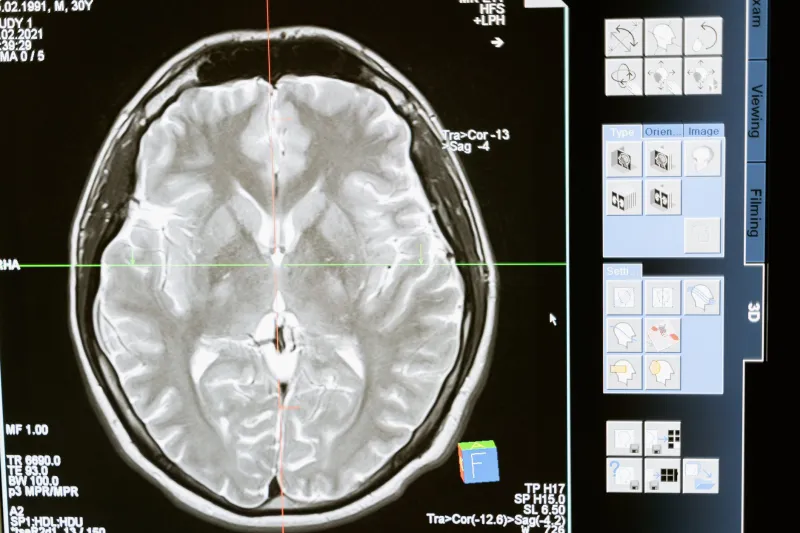
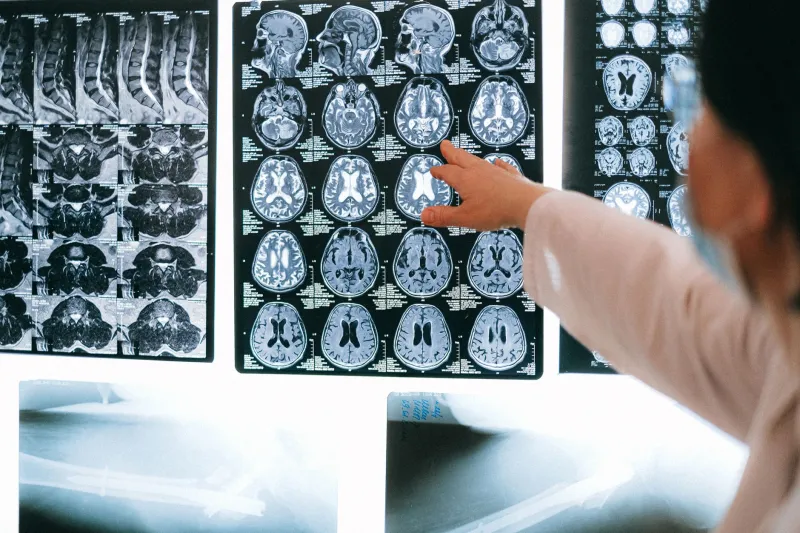
Standard diagnostic workups for dementia and cognitive decline include MRI brain imaging, electroencephalography (EEG), cerebrospinal fluid analysis, and neuropsychological testing. In classic sporadic CJD, several of these tools yield characteristic findings: specific signal changes on diffusion-weighted MRI, periodic sharp wave complexes on EEG, and the presence of certain proteins — most notably 14-3-3, tau, and real-time quaking-induced conversion (RT-QuIC) — in the cerebrospinal fluid.
However, in atypical presentations, these findings may be absent or inconclusive, particularly in the early stages of illness. Variant CJD, for example, rarely produces the EEG changes seen in sporadic cases. MRI findings may be subtle or delayed. Cerebrospinal fluid markers may fall within ranges that don't immediately raise suspicion.
A second neurologist affiliated with a Newark-area academic medical center explained: "The frustrating reality is that our most reliable diagnostic markers are often late-stage findings. By the time the MRI shows the classic pulvinar sign in variant CJD, or the cortical ribboning pattern in sporadic cases, the family has frequently been told for months that their loved one has Alzheimer's."
This diagnostic lag is not merely a clinical inconvenience. It has real consequences for families seeking to understand prognosis, access appropriate care, and make informed decisions about treatment options and clinical trial participation.
What Families Should Watch For
For patients and families navigating an uncertain diagnosis, several patterns should prompt a conversation about whether CJD has been adequately considered:
Unusually rapid progression. Alzheimer's disease typically progresses over years. When cognitive decline accelerates dramatically over weeks or a few months, that pace warrants further investigation.
Psychiatric symptoms preceding neurological ones. Particularly in younger patients — those under 50 — the emergence of anxiety, depression, or unusual sensory experiences before cognitive decline is consistent with variant CJD and should not be attributed solely to primary psychiatric illness without thorough neurological evaluation.
Visual disturbances without ophthalmologic explanation. Blurred vision, double vision, or visual hallucinations that cannot be attributed to an eye condition are a recognized feature of certain CJD subtypes.
Movement abnormalities alongside cognitive decline. The combination of involuntary jerking, balance problems, or coordination difficulties with rapidly worsening memory is a pattern that should prompt consideration of prion disease.
A family history of early-onset dementia. In cases of familial CJD, multiple relatives may have experienced similar or identical symptoms. Genetic testing can clarify whether a heritable prion gene mutation is present.
Advocating for a Thorough Evaluation
If you or someone you care for has received a diagnosis of a neurodegenerative or psychiatric condition but the clinical picture continues to feel incomplete or inconsistent, you have every right to ask for a comprehensive reassessment. Specifically, families should feel empowered to request:
- A diffusion-weighted MRI with specific attention to sequences relevant to prion disease
- Cerebrospinal fluid analysis that includes RT-QuIC testing, currently considered one of the most sensitive available markers for CJD
- Referral to a neurologist with experience in prion diseases or rare dementias
- Consultation with a specialized center such as the Newark CJD Center, where clinicians are specifically trained to evaluate and manage these complex cases
It is also worth noting that the National Prion Disease Pathology Surveillance Center, based in Cleveland, Ohio, coordinates diagnostic support and neuropathological analysis for suspected CJD cases across the United States, including New Jersey. Families and clinicians can request assistance through that resource as part of the diagnostic process.
The Importance of Naming the Uncertainty
One of the most consistent themes in conversations with Newark neurologists is the difficulty of communicating diagnostic uncertainty to patients and families. Clinicians are trained to provide answers. Families are desperate for them. And yet, in atypical CJD presentations, the honest answer is often that certainty takes time — and sometimes arrives only after the disease has progressed.
What families benefit from most, clinicians suggest, is not a premature diagnosis but a transparent acknowledgment that the current picture is incomplete. When physicians say, "We don't yet know what this is, but we are actively ruling out serious conditions including prion disease," that honesty — though difficult to hear — allows families to prepare, to seek additional opinions, and to connect with specialized resources earlier in the process.
At the Newark CJD Center, our commitment is to that kind of transparency. We work alongside families to ensure that no diagnosis is accepted by default when the clinical evidence remains ambiguous — and that every patient whose symptoms don't fit the expected pattern receives the thorough, specialized evaluation they deserve.