Lost Months, Lasting Consequences: Mapping the CJD Misdiagnosis Timeline and What Newark Families Can Do
Photo: Internet Archive Book Images, No restrictions, via Wikimedia Commons
Time is the one resource that cannot be recovered in a CJD diagnosis. The disease operates on a timeline measured in weeks and months, not years — and every month spent pursuing the wrong diagnosis is a month in which the window for any meaningful clinical intervention narrows further. Understanding how and why diagnostic delays occur, and what patterns they tend to follow, is not an academic exercise for Newark families. It is a survival skill.
At the Newark CJD Center, we have observed firsthand the profound consequences of protracted diagnostic journeys. Patients who arrive at our clinic after six or more months of misdiagnosis frequently present at a stage of neurological decline that forecloses participation in clinical trials, limits the utility of symptomatic management, and compresses the remaining time for informed end-of-life planning. The stakes of delay are not abstract.
The Anatomy of a CJD Misdiagnosis
CJD does not announce itself clearly at onset. Its early symptoms — memory lapses, mood changes, visual disturbances, gait instability, and behavioral shifts — overlap extensively with conditions that are far more common and far less urgent. This epidemiological reality creates a predictable diagnostic cascade that most CJD patients travel before receiving a correct diagnosis.
The most frequent misdiagnoses documented in the medical literature include:
Alzheimer's disease or other dementias: Given that CJD shares cognitive decline as a prominent early feature, dementia workups are almost universally initiated. These evaluations are thorough and appropriate — but they are calibrated for diseases that progress over years, not weeks. A neurologist monitoring a suspected Alzheimer's patient on a standard three-to-six-month review schedule may not recognize the accelerated progression characteristic of CJD until significant deterioration has occurred.
Psychiatric illness: Early CJD — particularly the variant and familial forms — frequently presents with psychiatric symptoms including anxiety, depression, personality changes, and even psychosis. Patients are referred to psychiatrists, started on antipsychotic or antidepressant regimens, and monitored for months before the neurological underpinning of their symptoms becomes apparent. In some cases, psychiatric treatment temporarily masks or modifies symptoms in ways that further confuse the diagnostic picture.
Stroke or transient ischemic attack (TIA): Focal neurological deficits, including visual field disturbances and motor asymmetries, prompt urgent vascular workups. When initial imaging does not reveal an acute infarct, patients may be placed on antiplatelet therapy and scheduled for outpatient follow-up — while the underlying prion pathology advances unchecked.
Autoimmune encephalitis: This is an increasingly recognized category of misdiagnosis, particularly as awareness of autoimmune neurological conditions has grown. Autoimmune encephalitis shares several clinical features with CJD, including rapidly progressive cognitive decline and seizure activity. Patients may undergo immunotherapy trials — which carry their own risks and costs — before CJD is reconsidered.
Quantifying the Cost of Delay
The clinical significance of diagnostic delay in CJD is not merely theoretical. Several published analyses have examined the relationship between time-to-diagnosis and patient outcomes, with consistent findings.
Patients diagnosed within the first two months of symptom onset are significantly more likely to be eligible for enrollment in clinical trials investigating experimental therapeutics. Beyond this window, declining functional status frequently renders patients ineligible under standard trial inclusion criteria. Access to investigational compounds through compassionate use programs — while possible — requires active, knowledgeable advocacy and a functioning point of contact at a research-active institution such as our center.
Early diagnosis also preserves the capacity for informed consent and autonomous decision-making. Patients who receive a correct diagnosis while still cognitively intact can participate meaningfully in discussions about goals of care, advance directives, and the nature of any experimental interventions they may wish to pursue. This window closes rapidly as the disease progresses.
Finally, families with earlier diagnoses have more time to access genetic counseling — particularly relevant for familial CJD — and to make logistical arrangements that significantly reduce crisis-driven decision-making in the terminal phase.
A Decision Framework for Stalled Diagnostic Pathways
The following structured framework is designed to help Newark families recognize when a diagnostic process may be failing to keep pace with clinical reality.
Step 1: Assess the rate of symptom progression. CJD characteristically progresses over weeks, not months. If your loved one's cognitive or neurological status has declined noticeably within a four-to-six week period, and no definitive diagnosis has been established, this acceleration warrants urgent escalation — not a scheduled follow-up appointment.
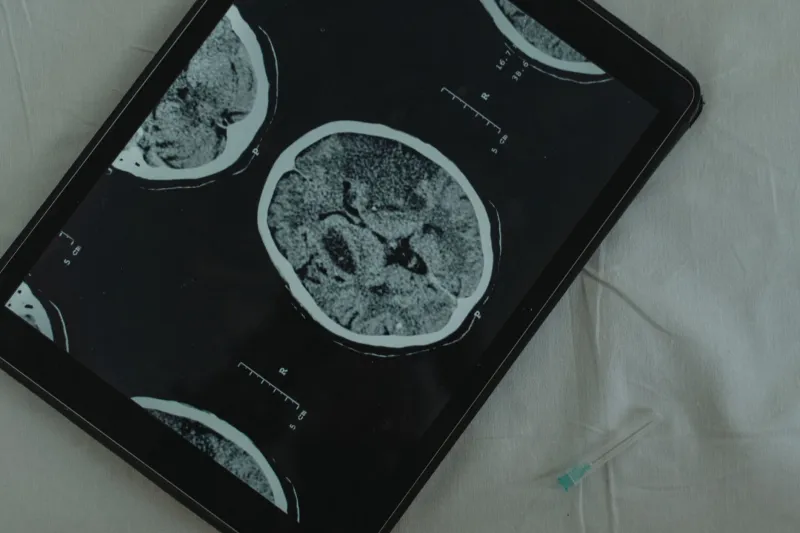
Step 2: Inventory the tests that have been ordered. A thorough CJD workup should include MRI with diffusion-weighted imaging (DWI) sequences, cerebrospinal fluid (CSF) analysis for 14-3-3 protein and real-time quaking-induced conversion (RT-QuIC) assay, and electroencephalography (EEG). If any of these have not been performed, ask specifically why, and request a written explanation if the answer is unsatisfactory.
Step 3: Evaluate whether your current provider has CJD-specific expertise. General neurologists are skilled clinicians, but prion diseases occupy a narrow subspecialty with a steep learning curve. If your loved one's neurologist has not previously managed a CJD case, or cannot describe the specific diagnostic criteria they are applying, a referral to a specialist center is warranted — not optional.
Step 4: Contact the Newark CJD Center directly. Our team can review existing records, identify diagnostic gaps, and facilitate expedited evaluation without requiring a formal referral in many cases. Families should not wait for their primary neurologist to initiate this contact. You have the right to seek specialist input independently.
Step 5: Request documentation of the differential diagnosis. Every patient's chart should reflect an active, evolving differential. If CJD has been considered and excluded, there should be documented reasoning for that exclusion. If it has not been considered at all — which occurs more frequently than it should — that is a significant gap that requires immediate correction.
The Newark Context
New Jersey's dense healthcare infrastructure is both an asset and a source of complexity. The concentration of hospitals, specialty practices, and academic medical centers in the Newark metropolitan area means that patients may see multiple providers across multiple systems, with records fragmented across incompatible electronic health record platforms. This fragmentation is itself a driver of diagnostic delay — each new provider reconstructs the history from scratch, often repeating workups that have already been completed.
Families navigating this environment should maintain a personal medical record binder — including imaging CDs, laboratory results, and clinical notes — that can be hand-carried to every appointment. This single practice can meaningfully reduce the time lost to redundant evaluation.
The diagnosis of CJD is never easy, and the speed of the disease makes every procedural delay consequential. Knowing how to recognize a stalled diagnostic process — and how to act on that recognition — may be among the most important things a Newark family can do for their loved one.