The Next Generation of CJD Detection: How Emerging Biomarker Technologies Are Changing What Newark Neurologists Can See
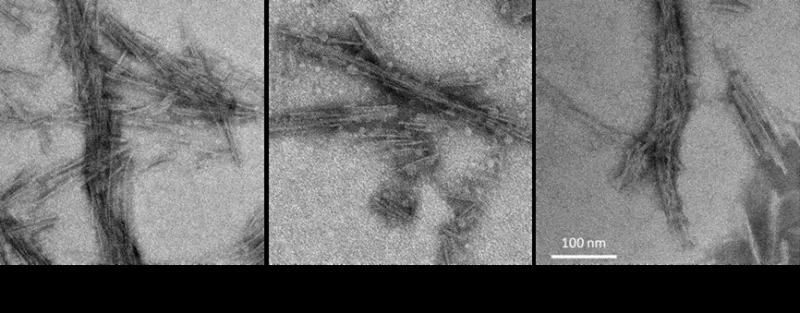
Photo: NIH Image Gallery from Bethesda, Maryland, USA, Public domain, via Wikimedia Commons
For decades, the diagnosis of Creutzfeldt-Jakob disease has rested on a relatively limited toolkit: clinical observation, electroencephalography, MRI with diffusion-weighted imaging, and cerebrospinal fluid analysis for surrogate markers of neuronal injury. These tools have served an important function, but they share a fundamental limitation — by the time they yield unambiguous findings, substantial and irreversible neurological damage has typically already occurred.
That constraint is beginning to erode. A wave of biomarker research, accelerated by advances in ultrasensitive protein detection technology and informed by lessons learned from Alzheimer's disease diagnostics, is producing a new class of tests capable of detecting prion-related pathology earlier, more accurately, and — in some cases — from blood rather than cerebrospinal fluid. For patients and families navigating the Newark healthcare system, understanding these developments is no longer purely academic. These tests are beginning to reach clinical practice, and knowing how to ask for them may meaningfully affect diagnostic timelines.
Why Traditional Diagnostics Fall Short
Conventional MRI, while valuable, is most sensitive for CJD in its intermediate and advanced stages, when characteristic signal abnormalities in the basal ganglia and cortical ribboning patterns become apparent on diffusion-weighted sequences. In early-stage disease, imaging findings are frequently unremarkable or subtly abnormal in ways that may not be recognized as prion-related by radiologists without specific experience in this area.
CSF analysis for 14-3-3 protein — a long-standing component of the CJD workup — detects a marker of neuronal destruction rather than prion pathology itself. It is sensitive but nonspecific, elevated in stroke, encephalitis, and other conditions that cause rapid neuronal death. Its presence supports a CJD diagnosis in the right clinical context, but it cannot confirm it independently.
The RT-QuIC (real-time quaking-induced conversion) assay represented a significant advance when it was introduced into clinical practice. By detecting misfolded prion protein directly in CSF, nasal brushings, or skin biopsy specimens, RT-QuIC achieves high sensitivity and specificity for sporadic CJD. However, it requires specialized laboratory infrastructure and is not uniformly available across all New Jersey hospital systems. Families in Newark should specifically inquire whether RT-QuIC is available at their institution or whether specimens must be sent to a reference laboratory, which adds processing time.
Plasma and Serum Biomarkers: The Frontier of Blood-Based Detection
Perhaps the most consequential development in CJD biomarker research is the identification of measurable disease signals in peripheral blood — a prospect that, until recently, was considered technically out of reach due to the low abundance of relevant proteins in plasma relative to CSF.
Plasma phosphorylated tau (p-tau) has emerged from Alzheimer's research as a highly sensitive marker of tau pathology, and early investigations suggest it may carry diagnostic utility in CJD as well. Elevated plasma p-tau levels have been documented in CJD patients, and the ratio of specific p-tau isoforms appears to differ between prion disease and other tauopathies in ways that could eventually support differential diagnosis. Research in this area is ongoing, and plasma p-tau is not yet a validated standalone diagnostic for CJD — but its trajectory is promising, and several academic medical centers affiliated with New Jersey's research ecosystem are participating in studies examining its utility.
Neurofilament light chain (NfL) is a structural neuronal protein released into CSF and blood during axonal injury. Plasma NfL levels are markedly elevated in CJD compared to most other neurodegenerative conditions, and the rate of NfL increase over serial measurements appears to track disease progression with notable fidelity. While NfL is also elevated in other rapidly progressive neurological conditions, its magnitude of elevation in CJD is typically distinctive. Some Newark-area academic neurology practices now include plasma NfL in their prion disease evaluation protocols, particularly for monitoring purposes.
Serum glial fibrillary acidic protein (GFAP) reflects astrocytic activation and injury. Elevated serum GFAP has been documented across multiple neurodegenerative conditions, but CJD patients tend to show markedly higher levels than those seen in Alzheimer's disease — a distinction that, when combined with clinical context and other biomarker data, contributes to a more confident diagnostic picture.
Advanced CSF Analysis: Beyond 14-3-3
Within the CSF compartment, the analytical toolkit is expanding beyond the established markers. CSF total tau has demonstrated high sensitivity for sporadic CJD, with levels in prion disease typically far exceeding those seen in Alzheimer's disease or other dementias. Some researchers have proposed specific tau cutoff values that, in combination with RT-QuIC results and clinical features, approach diagnostic certainty without requiring neuropathological confirmation.
Alpha-synuclein and beta-amyloid 42/40 ratios in CSF are also under active investigation as part of multi-marker panels that may improve diagnostic specificity for CJD relative to other rapidly progressive dementias. The concept of a composite biomarker signature — rather than reliance on any single test — is gaining traction in the specialist community as the most robust approach to early, accurate CJD detection.
What Is Currently Available in Newark and How to Access It
The availability of these emerging tests varies considerably across the Newark metropolitan area's healthcare institutions. Academic medical centers with active neurology research programs — including those affiliated with Rutgers Biomedical and Health Sciences and the broader RWJBarnabas Health network — are most likely to have access to advanced CSF assays and may be participating in biomarker research protocols through which patients can access cutting-edge testing.
Community hospitals and general neurology practices are less likely to offer these tests as standard components of a CJD evaluation. Families in this situation should not assume that the absence of an offer reflects the absence of available options. The following advocacy steps are recommended:
-
Ask specifically about RT-QuIC availability and, if not available on-site, request that specimens be sent to a laboratory with this capability. The National Prion Disease Pathology Surveillance Center at Case Western Reserve University processes specimens from across the country and can be accessed through a referring physician.
-
Request plasma NfL testing as part of the neurological workup. This test is increasingly available through commercial reference laboratories and can often be ordered by a neurologist without institutional subspecialty infrastructure.
-
Inquire about research protocol enrollment at academic centers. Patients undergoing evaluation for suspected prion disease may be eligible for observational studies that include access to advanced biomarker panels at no cost to the patient.
-
Contact the Newark CJD Center for guidance on which local and regional institutions currently offer specific tests, and for assistance navigating insurance coverage questions related to these diagnostics.
Insurance Coverage and Advocacy
Insurance coverage for emerging biomarker tests is inconsistent and evolving. Established tests — including MRI, EEG, and standard CSF analysis — are generally covered under most major insurance plans when CJD is listed as the indication. RT-QuIC occupies a middle ground: it is recognized in clinical guidelines but may require prior authorization or peer-to-peer review with the insurer.
Plasma NfL and other blood-based biomarkers are frequently classified as investigational by insurers, even when they are clinically available, because large-scale clinical validation studies are still underway. Families facing coverage denials for these tests should request a formal letter of medical necessity from their neurologist and pursue the insurer's appeals process with documentation of the clinical rationale.
The pace of biomarker development in CJD diagnostics is accelerating, and the gap between what is scientifically possible and what is routinely available in clinical practice is narrowing. Newark families should not assume that the diagnostic tools available today are the same ones that were available two years ago — because they are not. Staying informed and asking the right questions remains one of the most powerful tools at a family's disposal.